
Why do men act hot and cold?
Why Do Men — Understanding what men do.
See if this sounds familiar…
On Friday night, he is deeply attentive, holding long eye contact, sharing intimate future plans, and sending sweet texts that make you feel completely secure. By Sunday afternoon, his responses shrink to single words, his tone turns formal and detached, and he acts as if the closeness never happened. The sudden, unprovoked temperature drop leaves you feeling confused and hyper-vigilant. Searching [why do men act hot and cold](/act-hot-and-cold), you try to understand why closeness is immediately followed by radio silence. You ask yourself in distress, why is he hot and cold with his communication when things were going so well?
Riding an emotional roller coaster drains your peace and induces constant anxiety. You spend hours analyzing signs a guy is being hot and cold with you, searching for the reason a man acts super interested then pulls away after a breakthrough moment. You find yourself asking why do guys switch between loving and distant, wondering if you said something wrong or came on too strong. The risk is that you start chasing him when he retreats, bending over backward to regain his warmth. That anxious pursuit hands over your emotional stability to his internal instability, keeping you trapped in a cycle of anticipation and disappointment.
Hot-and-cold behavior occurs when a man is caught in deep internal ambivalence—desiring intimacy, yet terrified of the vulnerability and loss of control that emotional commitment requires. When he experiences real closeness ("hot"), his internal alarm goes off, interpreting vulnerability as a threat and driving him to pull back into emotional distance ("cold") to restore his sense of safety. Learning how to deal with a man who acts hot and cold requires recognizing that his rhythm is a sign of an unintegrated heart that lacks the maturity to sustain connection. Completion comes when you stay anchored in your own worth rather than riding his emotional pendulum.
Explore the contributor perspectives below to understand attachment styles, emotional ambivalence, and masculine pulling-away patterns. Read these insights to remain grounded in your center, set clear expectations, and cultivate healthy, consistent relationships.
Would you like some perspectives on this?
Be Part of the Answer
We haven't received any perspectives on this question yet.
You can help by sharing your own perspective, describing what you're going through, or subscribing to be notified when professionals respond.
We respect your privacy. We don't spam, sell, or share your email. You'll only receive notifications about this question, and you can unsubscribe at any time.
Recommended Reading
Books to deepen your understanding of this topic

Attached
Grounded in adult attachment theory, this book explains how attachment styles (secure, anxious, and avoidant) shape adult romantic relationships and behavioral patterns. It offers valuable insights into understanding men's relational behaviors, emotional availability, and intimacy needs.
Attachment & Dating
Men Are from Mars, Women Are from Venus
A classic relationship handbook, this book examines the core emotional and psychological differences that shape how men and women communicate. It illuminates male coping mechanisms—such as the need to retreat to a 'cave'—and how men process stress and affection.
Relationship Dynamics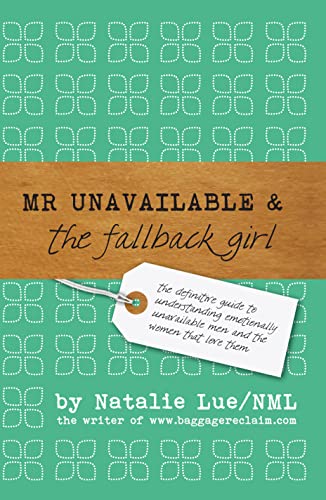
Mr. Unavailable and the Fallback Girl
This insightful guide examines the dynamics of emotionally distant men and the partners who accept breadcrumbs of affection. It provides a deep dive into the root causes, behavioral patterns, and warning signs of male emotional unavailability.
Attachment & DatingThis page is brought to you by the Why Platform — perspectives without algorithms.
Sponsor this content