
Why do men fight and then become friends?
Why Do Men — Understanding what men do.
See if this sounds familiar…
You stand on the edge of a backyard gathering and watch two men exchange harsh words that escalate into a sudden, aggressive physical altercation. Punches are thrown, friends intervene, and the air turns thick with hostility. Less than an hour later, you walk into the kitchen to find those same two men standing shoulder-to-shoulder, laughing over a cold drink as if nothing ever happened. The rapid shift leaves you stunned, searching for why do guys fight physically then become best friends after moments of raw conflict.
To anyone outside male social circles, this sudden transition feels paradoxical and volatile. You wonder how deep hostility can vanish so quickly without lengthy conversations, tearful apologies, or processing emotions. Asking why male friends fight and get over it quickly reveals a stark difference in how conflict is navigated. If you judge this dynamic through a lens that requires verbal analysis and emotional reconciliation, it appears reckless or fake. You might worry that unaddressed resentment will boil over again or that their newfound closeness is built on denial rather than genuine connection.
True insight brings complete understanding of male bonding mechanics. Understanding the psychology of guys becoming friends after a brawl shows that physical conflict often serves as an intense, unvarnished test of boundaries, strength, and respect. When men fight, they lay all pretense aside and establish mutual limits directly. Exploring the reasons men bond after having a fist fight highlights how shared intensity, physical risk, and tested boundaries create a unique foundation of trust. Seeing how men resolve conflict through physical fights clarifies that once the conflict is settled and respect is established, the issue is considered fully closed, leaving no lingering score to keep.
Explore [Why do men fight and then become friends?](/fight-and-then-become-friends) and dive into the perspectives below. Read how men and observers explain this ritual of conflict and bonding, and share your own experiences.
Would you like some perspectives on this?
Be Part of the Answer
We haven't received any perspectives on this question yet.
You can help by sharing your own perspective, describing what you're going through, or subscribing to be notified when professionals respond.
We respect your privacy. We don't spam, sell, or share your email. You'll only receive notifications about this question, and you can unsubscribe at any time.
Recommended Reading
Books to deepen your understanding of this topic

Deep Secrets
Based on a longitudinal study of teenage boys, this book reveals that adolescent males desire deep emotional intimacy in friendships but often abandon it due to societal norms surrounding masculinity. It provides critical context for understanding male loneliness, emotional boundaries, and adult relational patterns.
Male Psychology & Emotions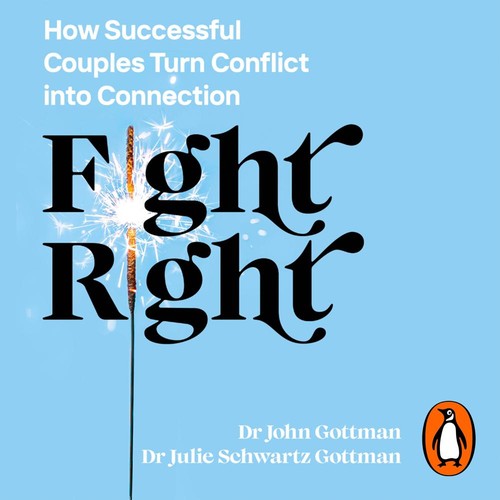
Fight Right
This relationship guide breaks down the science of conflict, offering practical frameworks to turn destructive arguments into opportunities for mutual understanding. It aids in understanding men by explaining how physiological flooding during disagreement affects male communication and how to manage conflict constructively.
Communication & Conflict
The High-Conflict Couple
Utilizing Dialectical Behavior Therapy (DBT) principles, this book teaches couples how to deactivate intense emotional escalation, validate each other's feelings, and restore intimacy. It provides valuable context on how men experience emotional dysregulation and reactivity in relationships, offering concrete skills to replace defensiveness with constructive engagement.
Communication & ConflictThis page is brought to you by the Why Platform — perspectives without algorithms.
Sponsor this content